Bitter Is the New Luxury: How Campari Conquered America One Sip at a Time
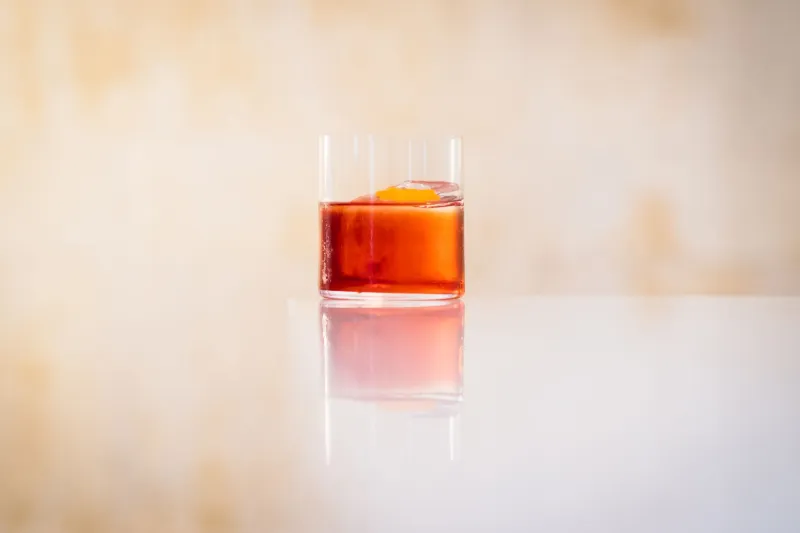
Ask a boomer what they think of Campari and you'll often get a face usually reserved for spoiled milk. Ask a 29-year-old and you'll get a recitation of their favorite Negroni variation. Same red bottle. Same bitter bite. Two entirely different countries.
That divide isn't accidental, and it isn't really about taste buds. It's about what bitterness means in America — and that meaning has flipped almost completely in one generation.
When Bitter Meant 'Broken'
For most of American drinking history, bitterness was a defect. The postwar American palate was built on sweetness and suppression: light lagers, sweet cocktails, vodka that tasted like nothing on purpose. Bitter flavors showed up only in medicine cabinets — think of the cherry-flavored armor kids were given for any actual bitterness. We trained ourselves out of it early and thoroughly.
Campari, imported since the late 19th century and beloved in Italian-American enclaves, spent decades as the exotic bottle that gathered dust at the back of the well-stocked bar. Your father didn't hate Campari because it was foreign. He hated it because, in his formative drinking years, bitter equaled something went wrong here.
The Aperol Wave, Then the Campari Tide
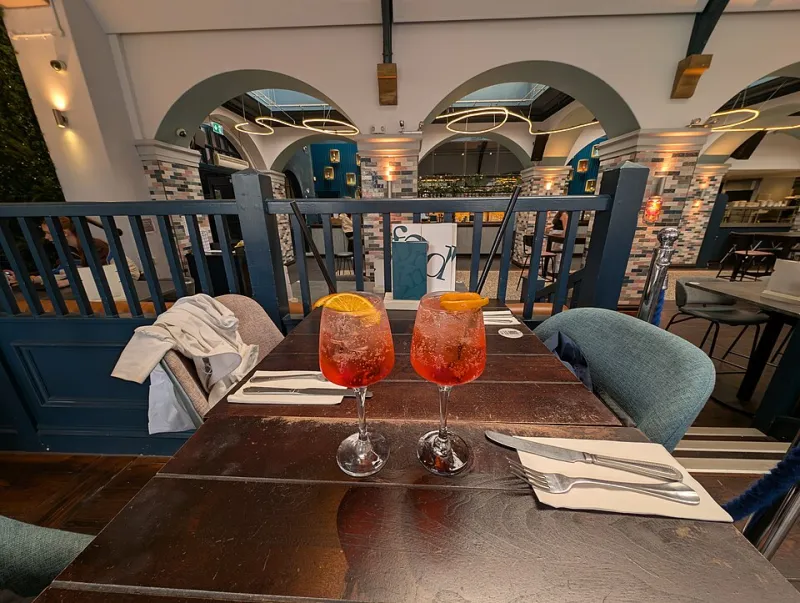
The turnaround came in stages. First came the craft cocktail revival of the 2000s, when bartenders started digging through pre-Prohibition recipes and rediscovering bitters as architecture, not accident. Then came the Aperol Spritz — bright, orange, low-proof, and sweet enough to be a gateway drug. Campari USA's own reporting has shown Aperol's explosive US growth through the 2010s, and Campari rode in its wake. The Negroni, a drink that was quietly beloved for a century, suddenly had a moment: Negroni Week launched in 2013 and became an international fixture almost immediately.
Walk into a decent bar in Austin, Chicago, or Brooklyn today and the Negroni isn't a curiosity — it's a default, listed without explanation, ordered without ceremony. The bitter bottle your dad pushed aside is now on the speed rack.
The Science of the Acquired Taste
Here's the part that surprises people: nobody is born loving bitter. Humans have roughly 25 bitter receptors, an evolutionary alarm system designed to keep us from eating poisonous plants. Every Negroni lover on earth had to learn past that alarm.
And learning is exactly what happened. Bitterness, it turns out, is a flavor of context. Repeated low-stakes exposure — a spritz on a patio, an Aperol and soda at a summer barbecue — teaches the brain that this alarm doesn't mean danger. Then something interesting happens: the same signal that once read as "warning" starts reading as "complexity." Bitterness is the backbone that makes sweet and boozy taste like something. Once you can hear it, you can't unhear it. That's why Negroni palates seem to appear overnight — the switch flips, and the whole bitter aisle opens up at once.
Why Bitter Reads as Rich
There's also a status story here, and it's worth saying plainly: bitterness became a luxury signal.
Sweet is cheap and easy. Sugar is everywhere; it costs nothing and pleases instantly. Bitter requires patience, exposure, and a little self-education — which makes it a perfect marker of connoisseurship. Coffee went through this exact arc: we went from Frappuccinos to single-origin pour-overs that taste like burnt cedar, and called it sophistication. Dark chocolate, IPAs, natural wine — the pattern repeats. The flavor that used to mean spoiled now means refined.
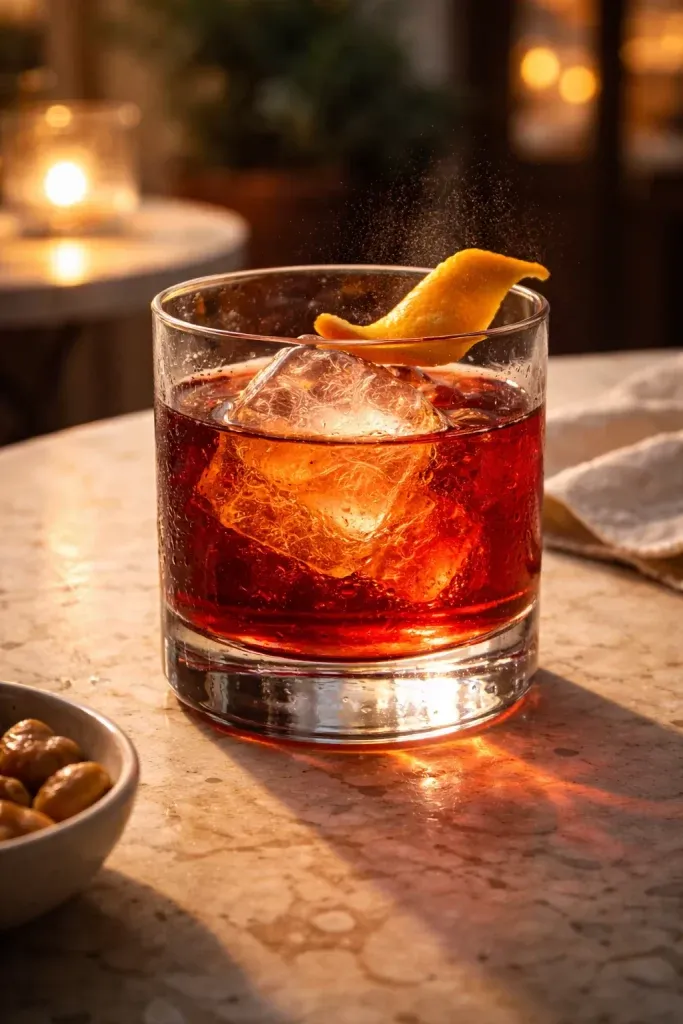
Campari sits at the center of this because it's bitter and beautiful. That scarlet pour, that unmistakable perfume of orange peel and rhubarb and secrets — it photographs like a luxury good and tastes like a rite of passage. It's the rare bitter product that looks as expensive as it now feels.
Gateway Bitters: A Sidebar for the Skeptic
If you or a loved one still flinches at Campari, don't start with a straight Negroni. Climb the ladder:
- Aperol Spritz — the on-ramp. Bitterness at training-wheels intensity, bubbles doing the heavy lifting.
- Americano — Campari, sweet vermouth, soda. Half the proof, all the ritual.
- Bamboo or a bitter-forward highball — a whisper of bitters in a long, cold drink.
- Negroni Sbagliato — the Negroni with prosecco swapped for gin. The bitterness softens, the glamour doesn't.
- Then, finally: the Negroni itself. Equal parts, big ice, orange peel. The finish line tastes like a beginning.
The New Standard
Bitter used to be the flavor America apologized for. Now it's the flavor we order first — at the bar, on the label, in the name of sophistication. Your dad may never come around, and that's fine. More Campari for the rest of us.
Because here's the truth at the bottom of the glass: bitterness isn't an acquired taste. It's an acquired identity. And in 21st-century America, it's the most stylish one going.